By now, most of us will recognise the concept of tipping points in the context of climate change: a term popularised by climate scientist Tim Lenton and others in 2008. Tipping points articulate how once predictable earth systems – climates, weather, currents, and patterns – can reach a threshold, then permanently topple into a state of disorder.
Through the lens of tipping points, the future of our planet seems perilous: there may be massive upheavals in our boreal forests, sea ice, ocean currents, coral reefs and more, all of which threaten biodiversity, food security, and peace. However, as some of our authors in this issue explain, tipping points also offer the perfect framework for delivering positive changes: in renewable energy, social equity, and sustainable governance, for example.
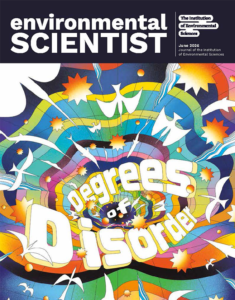
With a wealth of world-leading scientists contributing to this edition, the June 2026 issue of environmental SCIENTIST, ‘Degrees of Disorder: Climate Tipping Points’, unpacks the status of key earth systems tipping points and how they are interconnected. The articles also consider the human dimension of tipping points: who is already affected, how positive tipping points can deliver change for communities, and how policy can shape adaptation and national security risk management. As Tim Lenton writes in his foreword to this edition, by focusing on the positive changes we can make and influencing others, we may be able to persuade those in charge to “change course”.
Download the Journal (pdf) and Teaching Resource (docx) for this edition.